Published Clinical Writing
What does it look like when trauma-informed principles, lived experience, and clinical accuracy work together in a single piece of writing? These published resources — each created for Mentalyc, a mental health practice management platform — show exactly that. The same approach that guided every word here is what I bring to your organization's communication.
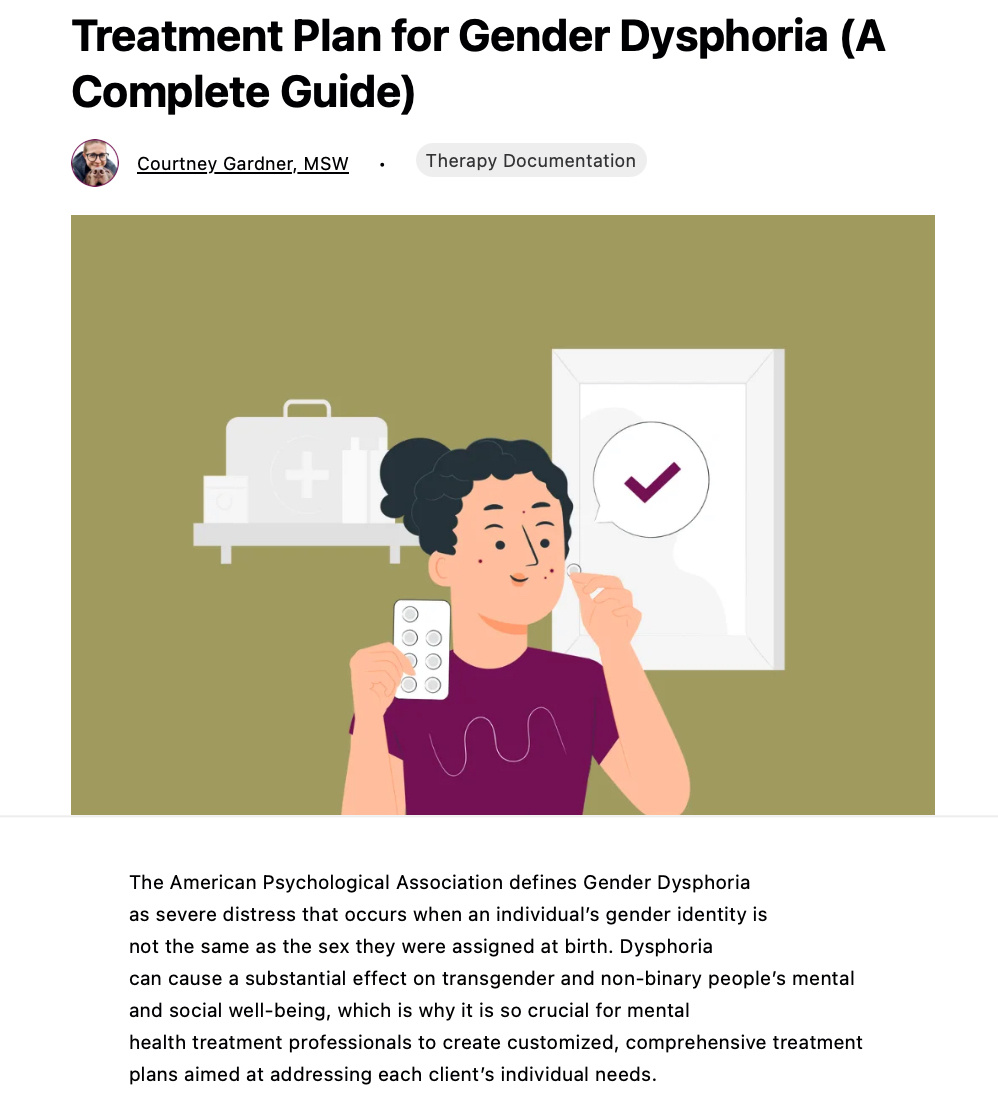
Gender Dysphoria Treatment Planning Published by Mentalyc | 3,200 words
Most clinical resources on gender-affirming care still ask trans patients to "prove" their identity before accessing support. This guide was written to change that — centering dignity, autonomy, and psychological safety from the first line to the last. As a trans man with clinical training, I brought both lived experience and professional expertise to close the gaps cisgender writers often miss.
Relevant for: healthcare providers, behavioral health clinics, community health centers
Managing Manipulative Behaviors in Therapy Published by Mentalyc | 2,800 words
When a client's behavior creates friction in the therapeutic relationship, the instinct is often to label, distance, or over-correct. This guide takes a different approach — distinguishing between conscious manipulation and trauma-driven survival behaviors, and providing language that sets boundaries without damaging trust. The same skill applies directly to helping organizations navigate internal resistance to inclusion work.
Relevant for: HR teams, nonprofits managing difficult stakeholder dynamics, clinical supervisors

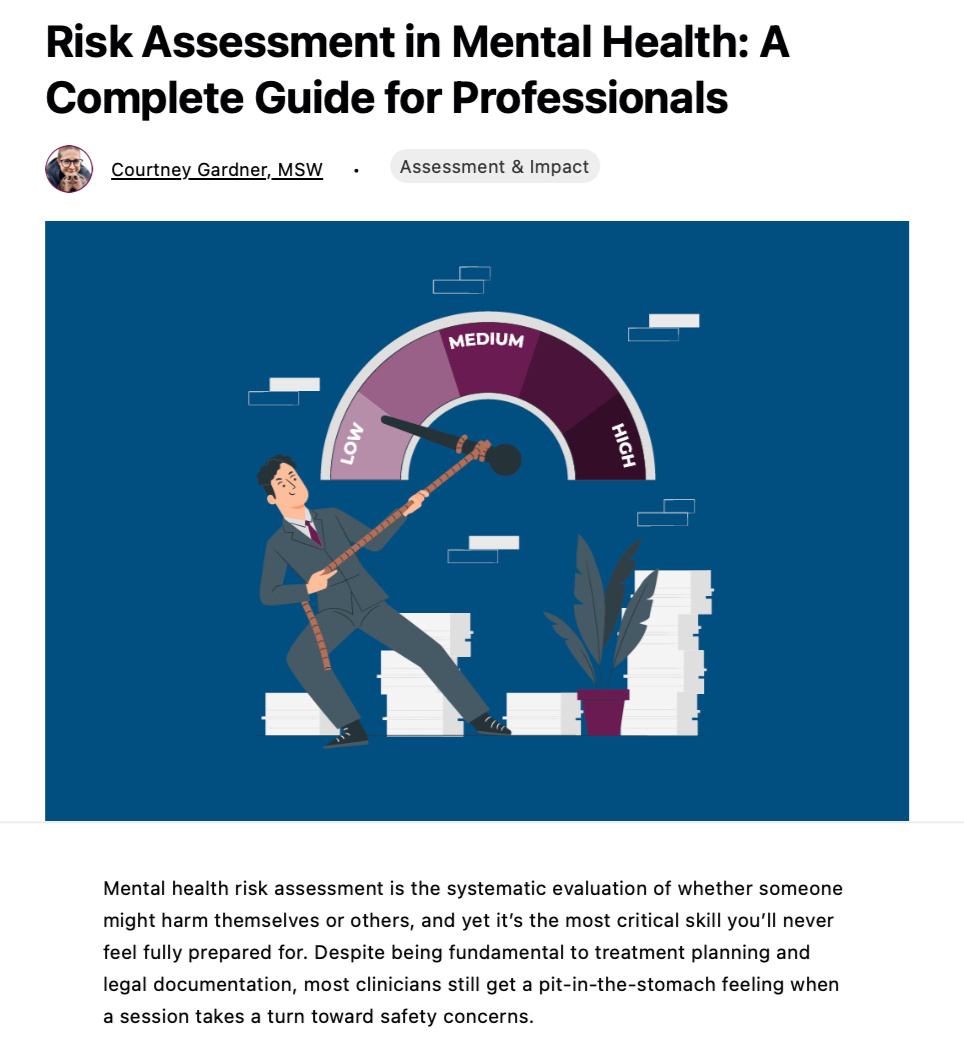
Mental Health Risk Assessment Published by Mentalyc | 4,200 words
Risk assessment is one of the highest-stakes communication challenges in clinical practice — where a single word choice can obscure critical information or create unnecessary alarm. This guide translates complex, life-or-death decision-making into clear, actionable frameworks that work under pressure. For organizations, it demonstrates what precision looks like when the language genuinely matters.
Relevant for: hospital administrators, compliance teams, behavioral health providers
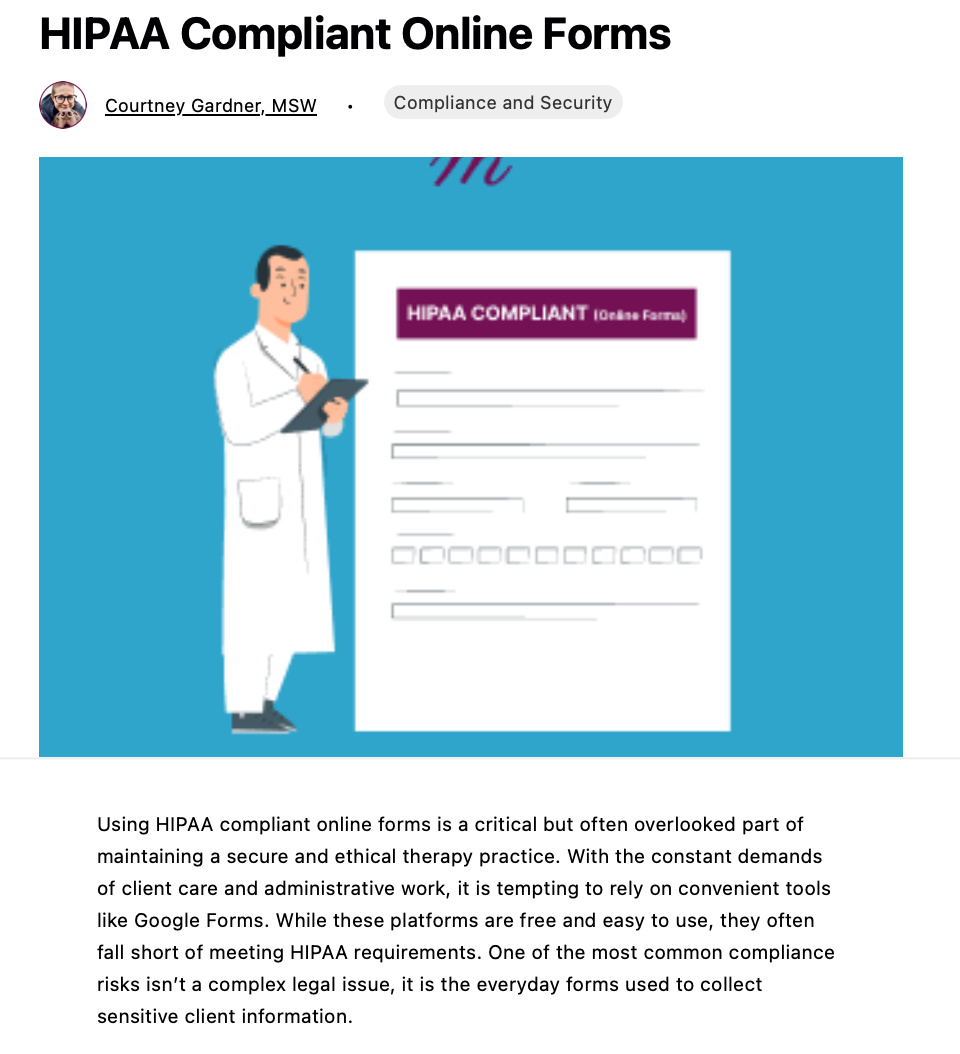
HIPAA-Compliant Digital Forms Published by Mentalyc | 3,500 words
HIPAA compliance isn't just a legal checkbox — it's about creating conditions where people feel safe enough to share sensitive information. This guide translates dense regulatory language into practical, plain-spoken guidance that solo practitioners and large organizations alike can actually implement. It's the same translation work I do when helping teams turn inclusion policies into communication their people can use.
Relevant for: healthcare administrators, digital health platforms, HR and people ops teams
All four pieces were published by Mentalyc, a mental health practice management platform serving thousands of clinicians. Each reflects the same principles I bring to organizational communication: clinical accuracy, trauma-informed language, and real-world usability.
© Ink & Impact. All rights reserved.